+33 3 56 89 46 53Mon–Sat 9am–7pm
Contact us
Consulting for the Acquisition of Vineyard Estates - Adopte Une Conciergerie

Consulting for the Acquisition of Vineyard Estates

Purchasing a vineyard: between heritage passion and economic strategy

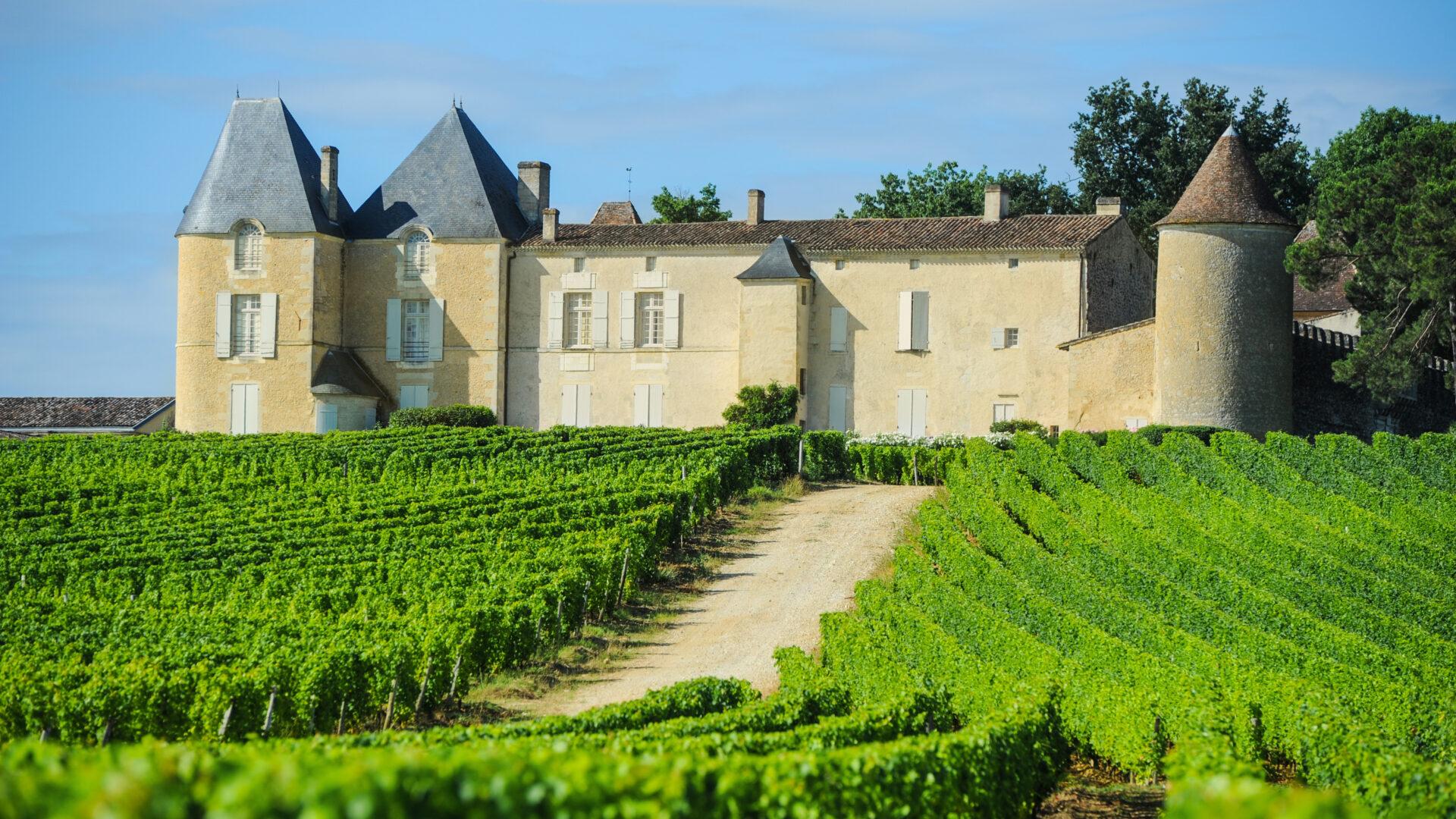
Acquiring a vineyard estate is undoubtedly the most complex real estate investment in the luxury market. It combines real estate (buildings, winery, vat room), agricultural land (planted plots, terroir), economic operation (turnover, margin, wine stock), workforce, brand, and emotional value. We support families, family offices and international investors in acquiring estates in Alsace (Grand Cru Geisberg, Schoenenbourg, Sporen, Wineck-Schlossberg), Bordeaux (Saint-Émilion, Pomerol, Médoc), Burgundy (Côte de Nuits, Côte de Beaune), Champagne (premier and grand crus) and the Rhône Valley. Rigorous, ethical, transparent approach.

In-depth analysis

Consulting for the Acquisition of Vineyard Estates

Specificities of the High-End Vineyard Market

The prestigious vineyard market operates under very different codes from classic real estate. Transactions are often off-market (90-95% of sales), driven by confidential intermediaries (brokers, private advisors, rural notaries), with long timelines (8-24 months). Values per m² or hectare are decoupled from real estate: a hectare of Grand Cru in Alsace is worth €600k to €1.8M, in Pomerol €4 to €18M, in Romanée-Conti €25 to €50M, in Champagne premier cru €1 to €2.5M/ha.

The vineyard estate is valued according to a complex matrix: terroir quality (classification, exposure, soil, subsoil), area planted by grape variety, vine age, associated planting rights, condition of the winery and equipment, brand (reputation, distribution, bottle price), cellar stock, sales contracts and loyal clients, existing team.
Land, Agronomic and Economic Audit

Before any offer, we commission a multidisciplinary team: consulting oenologist (terroir quality audit, vine physiological state, wood disease diagnosis), certified rural land expert (plot evaluation according to Rural Code, planting rights, rural leases), agricultural accountant (analysis of last 5 years turnover, margin, stocks, working capital requirement, debts), agricultural tax lawyer (real BA regime or microBA, GFV/GFA structures, succession), notary specialised in rural real estate.

Critical points: SAFER (pre-emption right on rural land, prior negotiation), ongoing rural leases (duration, compensation to outgoing tenant), permanent workforce (permanent contracts to be taken over with seniority), phytosanitary compliance (residue audit, organic conversion if applicable), winery condition (compliance upgrades €50k-300k), stock valuation (3-5 vintage stocks, FIFO valuation).

Legal Structures: GFA, GFV, SCEA, EARL

Several arrangements possible depending on your objectives. GFA (Agricultural Land Grouping) or GFV (Vineyard Land Grouping): land held by investors, operated by tenant farmer or sharecropper. Advantages: 75% exemption from wealth tax (IFI), 75% succession allowance under agricultural Dutreil conditions. Disadvantages: illiquidity, regulated tenancy.

SCEA, EARL or SCEV: operating structures, either direct operation (you take over estate management, expect 8-15% gross operating margin), or management mandate entrusted to a manager. Holding company above to optimise succession. Our role: structure, in consultation with your usual advisors, the most suitable arrangement for your family, tax situation and long-term vision.

Estates in Alsace: Unique Opportunity

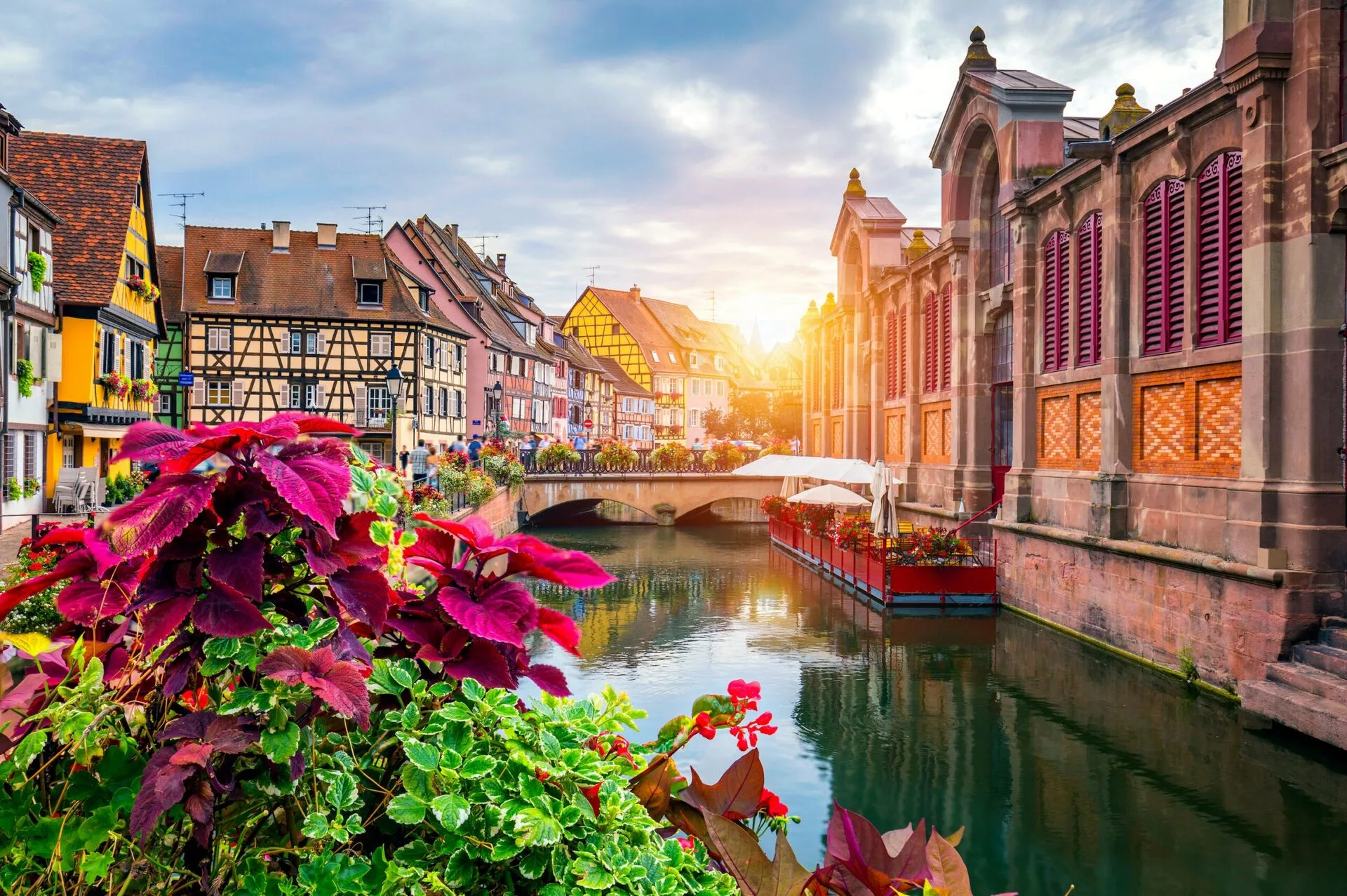
Alsace combines several strategic advantages: 51 named vineyards classified Grand Cru representing 4% of AOC area, prices still accessible compared to Burgundy or Champagne (€300k-1.8M/ha in Grand Cru vs €5-50M/ha in Burgundy), compact geography (170 km from Marlenheim to Thann), strong international demand for dry white wines (Riesling, Pinot Gris, Gewurztraminer), exceptional built heritage often associated (listed timber-framed houses, medieval wineries, vaulted cellars).

We manage ~20-30 active mandates per year of Alsace estates between 1 and 12 hectares, valued €2 to €18M. Our specialities: Riquewihr, Hunawihr, Bergheim, Ribeauvillé, Mittelbergheim, Andlau, Eguisheim, Turckheim. For Grand Cru specifically: Geisberg, Schoenenbourg, Sporen, Rosacker, Brand, Hengst, Pfersigberg.

Succession and Long-Term Taxation

Acquiring a Grand Cru vineyard opens advantageous but complex taxation. For family succession: 75% Dutreil allowance on vineyard operating shares, subject to commitment duration (4 years) and continued activity. For land in GFA: additional 75% allowance under certain conditions (long-term lease).

Wealth tax (IFI): operating vineyard assets are 100% exempt, land in GFA 75% exempt under conditions. Capital gains on sale: favourable BA regime after 5 years operation, full exemption after 8 years for turnover under €250k. Our approach: initial structuring designed for 10-25 year succession, with progressive dismemberment and staggered donations exempt from allowances.

Our key engagements

Consulting for the Acquisition of Vineyard Estates

Multidisciplinary audit: oenologist + land expert + accountant + lawyer
SAFER, rural leases, planting rights management
GFA, GFV, SCEA structures, optimised holding
Active network in Alsace, Bordeaux, Burgundy, Champagne
Long-term Dutreil agricultural succession support

Frequently Asked Questions

Everything you need to know before your project

What budget is needed to acquire a vineyard estate?
Highly variable: €1.5 to €4M for an Alsace estate of 4-8 ha in classic AOC, €4 to €18M for a 5-12 ha estate including Grand Crus, €6 to €30M in Bordeaux Saint-Émilion or Pomerol, €8 to €50M in Champagne. Expect on average €800k to €2M per hectare in prestigious AOCs.
Do you need to be a wine professional to buy an estate?
No. Many of our clients are business leaders, investors, family offices without viticultural experience. Success depends on the quality of the retained or recruited manager (salary €60-120k/year plus profit share), stability of the existing team, and close advisory support during the first 3 years.
What profitability can be expected from a vineyard estate?
In well-managed direct operation: 8 to 15% gross operating margin on turnover, 4 to 8% net return after depreciation and taxes. The real return comes over 10-20 years through land appreciation (AOC vineyard land historically appreciates 3-7% annually) and brand value.
What is SAFER and how does it impact the purchase?
SAFER (Land Development and Rural Establishment Company) holds a pre-emption right on all agricultural land sales in France. Every sale is notified to them and they may pre-empt to resell to a priority farmer. Our role: engage pre-contractual dialogue with SAFER to validate your project and avoid surprise pre-emption.
Can an estate be converted to organic or biodynamic?
Yes. Organic conversion takes 3 years (2 years in conversion phase 2, 1 year in phase 3 before AB certification). Biodynamics (Demeter, Biodyvin) adds 2-3 more years. Conversion cost: 0 to 5% yield reduction in first 2-3 years, +15-30% labour cost, but bottle valuation increases by 20-50%. ROI on conversion generally 5-7 years.
Can Adopte Une Conciergerie manage the future sale?
Yes. We support the full trajectory over 10-25 years: acquisition, structuring, operational supervision, brand enhancement, preparation for family succession or third-party sale. Our founding clients typically return at 8-15 years for succession or recapitalisation.

Discuss your project confidentially

A senior advisor will reply within 24 business hours.

91 route des Romains, 67200 Strasbourg
5 rue des Trois Pics, 67190 Mutzig

Schedule a confidential call

Tell us about your project. NDA available on request.