The Runway-Ready Villa: when luxury real estate becomes a place of influence during Fashion Week
April 2, 202616 min read
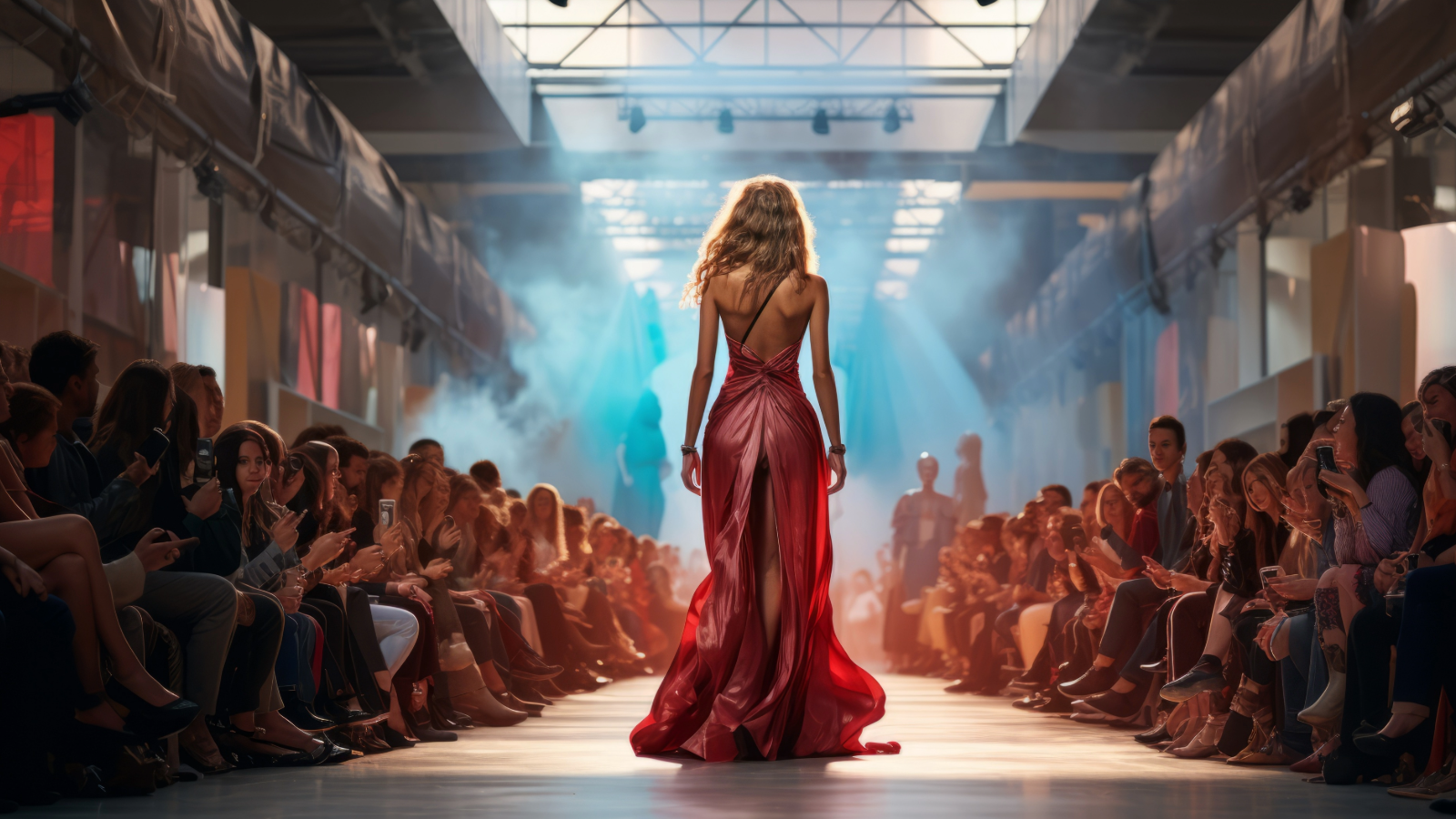
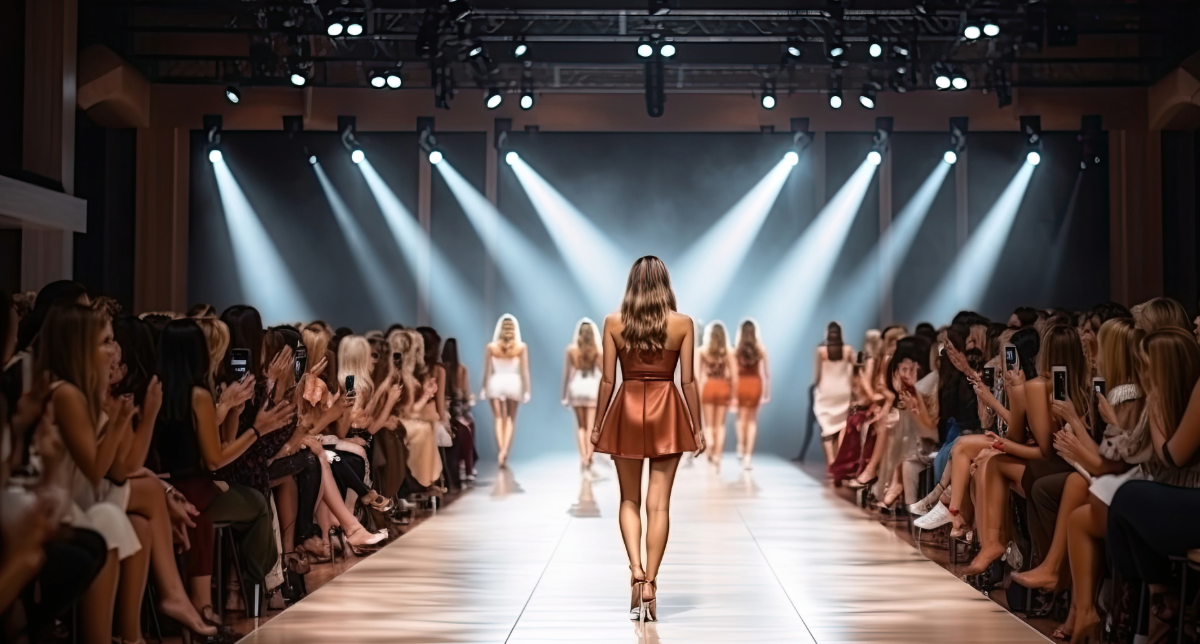
During Paris Fashion Week — six editions in 2026, including Women's Ready-to-Wear from September 28 to October 6 — the biggest fashion houses are not just looking for a hotel. They look for a decor, a scene, a place whose aesthetic becomes an extension of the collection. Complete guide to designing or renting a runway-ready property.
Paris Fashion Week 2026 Calendar
Men & Haute Couture: January 20-29, 2026 | Pre-Collections: March 2026 | Haute Couture: July 2026 | Women's Ready-to-Wear: September 28 - October 6, 2026 according to the FHCM. Six editions, six opportunities to transform a property into a space of global influence.
The concept: why real estate has become a fashion medium
Ten years ago, a fashion brand chose a prestigious hotel or industrial space for its showroom during Fashion Week. Today, this choice has become a creative signal in its own right. Space is no longer just a container: it is a message. The reception room of a Haussmannian mansion in Faubourg Saint-Honoré says one thing about a collection. An industrial loft in the Marais says another. A contemporary property with a view of the Parisian rooftops says a third.
The artistic directors of the big houses – Dior, Saint Laurent, Balmain, Loewe – have long understood that the location of an editorial shoot or a private showroom determines the reading of the collection even before a single image is taken. The substance speaks before the subject. The architecture comments on the silhouette. Natural or artificial light creates a chromatic atmosphere which is imprinted in each visual produced in this space.
This is why luxury real estate has become, during fashion weeks, an influential medium. And owners who understand this reality – and who have configured their properties accordingly – have access to an event rental market whose daily rates often exceed 5,000 euros for the best Parisian addresses.
Adopt a Conciergerie identifies, configures and manages these properties for brands looking for an exceptional venue and for owners who want to enhance their property during Fashion Week.
The criteria for a runway-ready property according to artistic directors
An artistic director who is looking for a space for an editorial shoot or a private showroom does not use the same criteria as a real estate buyer. His briefst formatted differently, its priorities are hierarchized differently. Here is the reading grid that ADs and photo producers use — and that owners must understand to position their property correctly.
Absolute criterion n°1
Natural light: the non-negotiable criterion
This is the first elimination criterion. Unlike video shoots which can compensate with artificial lighting, fashion photography primarily seeks daylight for its softness, naturalness and chromatic quality. Large openings are essential: panoramic windows, sliding windows, glass roofs, skylights. The northern exposure offers constant and soft light, ideal for fashion and portraiture. Crossing spaces with bilateral light are particularly sought after. A minimum ceiling height of 4 meters for fashion shows, 2.70 meters for shootings is the entry threshold.
Criterion #2
Architectural DNA: consistency with the brand's universe
Each space tells a stylistic story. The Haussmannian apartment — moldings, Hungarian point parquet flooring, fireplace, high windows — speaks the language of classic fashion, perfumery, jewelry and prestigious ready-to-wear. The contemporary design space — polished concrete, strong architectural lines, bay windows, minimalism — is suitable for innovative brands, the Japanese aesthetic of luxury, and architecture. The exposed brick industrial loft is suitable for luxury streetwear and urban fashion brands. The character property with terrace and garden opens seasonal collections. The consistency between the DNA of the property and the identity of the brand is the most decisive secondary selection criterion after light.
Criterion #3
Available wall surfaces and tonal neutrality
A cinematographer needs usable wall space. Ideally: 3 to 4 linear meters of bare or neutral-textured wall per main room. Too much wallpaper, saturated colors or excessive quantities of trinkets limit the possibilities of framing and staging. The best properties for photo shoots offer a wealth of surfaces (stone, stucco, woodwork, parquet, concrete) in tones that do not saturate the image. Neutrals — off-white, stone gray, warm beige, matte black — work in every fashion context.
Criterion #4
Production logistics: access, storage, preparation
A fashion shooting team can include 15 to 30 people: photographer, assistants, AD, stylist, dresser, makeup artist, hairdresser, models, producer, manager, catering. The property must be able to absorb this dynamic without friction: truck or production van access at the foot of the building, storage space for clothes and trunks (at least 15 m² closed), makeup/hairdressing preparation space separate from the filming location (artificial light acceptable for this position), and kitchen or catering space for breaks. A reservable delivery space facing the entrance is a decisive asset.
Light engineering: what your property needs to know how to do
Light is to shooting what location is to classic real estate: the absolute, non-substitutable criterion. But unlike location, light can be worked on, optimized, or even reconfigured. Here's how to think about lighting engineering for a property intended for creative uses.
Natural light: orientation, quality, control
An ideal property for shooting has several types of exhibition depending on the room. North exposure for constant, soft light, perfect for portraits and fabrics. East or southeast exposure for warm morning light, ideal for beauty products and early day shoots. Through exposure (two opposite illuminated facades) for the bilateral light highly sought after by fashion photographers. The ability to control this light is as important as its abundance: opaque roller blinds allow you to go from diffused natural light to total darkness for controlled light setups.
Artificial lighting: layers and modularity
The best properties for fashion activations feature a layered lighting system: adjustable general lighting (dimmable), directional accents on stands or recessed, and adjustable spotlights. The controllable color temperature (between 2700K for heat and 6500K for daylight) is a major asset. Dimmable LED spots with variable temperature allow shooting teams to recreate any lighting condition regardless of the time or season. Sufficient power supply (at least 2 dedicated 32 amp circuits accessible in reception rooms) for studio flashes and torches is a technical specification that the best runway-ready properties must be able to guarantee.
The glass roof and the skylights: the definitive architectural added values
A skylight transforms any room into a natural studio. It creates a so-called “northern” light that photographers have been looking for since the 19th century: diffuse, without harsh shadows, flattering for the skin and for textiles. Properties with glass roofs — converted lofts, rehabilitated artist studios, contemporary extensions — consistently command a significant rental premium during Fashion Week. The height under the canopy should ideally exceed 5 meters to allow low-angle shooting positions and runway configurations.
Volumes and circulation: thinking like a scenographer
An artistic director who visits a potential property for a shoot or a showroom does not look at the pieces like a real estate buyer. It looks at the available circulations, diagonals, depths of field and scale breaks. Here's how to interpret your space with this look.
Depth of field: the key quality ignored by photographersowners
A fashion photographer looks for depth: the ability to frame a subject with a background that recedes several meters. Short, square pieces are technically poor. The interconnecting spaces – connecting lounges, wide corridors, views of the garden – multiply the framing options. A Haussmannian apartment with 5 rooms in a row can offer a depth of 20 meters: it is a professional plateau.
Have a project in mind?
Our experts are ready to create a bespoke experience for you.
The standard of 2.50 meters is a minimum floor. For fashion shoots, 2.70 meters is the entry threshold. For indoor fashion shows, a minimum of 4 meters is required by the technical specifications of the fashion houses. For pieces that can be photographed from a low angle (looking down from a ladder or an elevated plane), 3.50 meters minimum. High ceilings also amplify the sound quality of events: less reverb, better intelligibility in collection presentations and press cocktails.
Modularity: empty, reconfigure, reinstall
The best property for fashion event uses is one whose furniture can be easily stored to free up the floor space. A property with built-in furniture or non-movable architectural elements considerably limits the scenographic possibilities. Receiving rooms that can be emptied in less than two hours and reinstalled identically are those that ADs and producers prefer. This criterion is rarely mentioned in real estate advertisements — and yet it is one of the first that production teams will check during a visit.
Optimize a property for a private showroom during Fashion Week
A private showroom during Fashion Week is a B2B event: we welcome international buyers, journalists, press editors and selected influencers. The objective is threefold: to present the collection in the best lighting conditions, to create an atmosphere which reinforces the brand identity, and to facilitate purchasing conversations in an exceptional setting. Here are the specifications of an ideal property for this use.
The zoning of the property: presentation, reception, backstage
An effective showroom has three distinct zones. The presentation area: the main room where the clothes are displayed on racks or mannequins, with the best light and the most generous volumes. The reception area: an adjacent space for receiving guests, catering, and informal conversations — typically the entrance hall or secondary lounge. The backstage area: a closed room for storing clothes, fittings, collection trunks and production equipment — inaccessible to guests. This organization can be carried out in any apartment of 150 m² or more with 3 separate communicating rooms.
Technical specifications of the fashion showroom
Clothing racks: the property must be able to accommodate tripod rails without damaging the parquet floors - provide protection and check the height of passage under doors (minimum 2.10 m with a standard clothes rack 1.80 m high).
Mannequins: Properties with parquet flooring in good condition and even flooring allow the installation of display mannequins without unstable bases.
Additional lighting: Production teams will often bring their own lights — check the available outlets (16A and 32A) and the capacity of the electrical panel.
Professional Wi-Fi:fashion showrooms use ordering tablets for buyers and real-time order taking — a guaranteed high-speed connection is essential.
Catering: a kitchen or office space with refrigeration, work surface and sink is necessary for catering providers.
Discreet access: a service access different from the main entrance allows production logistics and guest flows to be managed separately.
The Parisian neighborhoods most sought after by brands
The Marais (3rd and 4th arrondissements) is the showroom ecosystem par excellence: qualified traffic, creative atmosphere, adjacent galleries, buyers and journalists who naturally circulate there. The Faubourg Saint-Honoré and the Golden Triangle (8th) is the territory of established fashion houses — the most prestigious addresses, the highest rents. The Palais Royal et Vendôme (1st) embodies institutional luxury: the private mansions in this sector, with their cobbled courtyards and noble entrances, are the settings most sought after by jewelry and haute couture brands. Saint-Germain-des-Prés (6th and 7th) is associated with literary luxury and understated elegance — perfect for fashion brands that want to assert a strong cultural identity.
The role of the event concierge during Fashion Week
Transforming a luxury property into a space of influence during Fashion Week cannot be improvised. Coordination between owner, brand, production team, caterer, security and ancillary services requires a single pilot capable of handling the unforeseeable — and there always are some. This is the role that Adopts a Conciergerie occupies for both parties.
For the brand or production team
Identification and selection of properties adapted to the brand's universe, outside the public circuit.
Negotiation of rental conditions (insurance, deposit, access times, delivery access).
Complete logistics coordination: entry/exit of materials, surveillance, security.
Organization of catering and ancillary services during the showroom or shooting.
Express on-site pressing for the collections presented (last minute alterations).
Premium transfers for VIP guests from their hotels to the venue.
Management of last minute requests (supplies, technicians, emergency craftsmen).
For the owner
Promotion of the property to producers and fashion houses — qualification of tenants.
Drafting of internal regulations for event use and rental conditions.
Coordination of the preparation of the property before the shoot (temporary clearance, floor protection).
Presence on site during events to manage unforeseeable events.
Professionalized inventory of entry and exit, with photographic documentation.
Reconditioning after event use.
The Grand-Est: villas and runway-ready spaces outside Paris
Fashion Week takes place in Paris — but fashion editorial shoots, advertising campaigns and luxury brand music video shoots also take place outside the capital. The Côte d'Azur in summer, the Alps in winter — and the Grand-Est, more confidential but just as relevant for certain universes.
Alsatian villasnests of character — with the typical architecture of the region, with their enclosed gardens, their generous volumes and their diffused Nordic light — meet exactly the criteria that fashion ADs are looking for for fall/winter campaigns: naturally cold and elegant chromatic tone, unusual architecture, absence of any urban noise, and access from Strasbourg, Basel or Zurich in less than an hour. The castles and manors of Lorraine offer perspectives and circulation spaces that few Parisian properties can match.
Adopte une Conciergerie maintains a selection of properties in the Grand-Est adapted to the uses of photo shoots, filming and confidential showrooms — all listed outside the public market. For production teams looking for an unusual setting for a fashion campaign or a luxury brand clip, we offer location casting evenings and complete logistics from Strasbourg.
FAQ — Villa runway-ready, fashion shoot and Fashion Week showroom
1. How much does it cost to rent a property for a showroom during Paris Fashion Week?
Prices vary depending on the area, surface area and standing. In the Marais or Saint-Germain, spaces of 150 to 300 m² suitable for fashion showrooms are rented for between 2,000 and 8,000 euros per day during Fashion Week. In the Golden Triangle or near Place Vendôme, prices rise from 5,000 to 20,000 euros per day for private hotels and prestigious apartments. Weekly rental (duration of a Fashion Week edition) often involves a global negotiation. Rentals should ideally be anticipated 4 to 6 months in advance — the best addresses in the Marais and the Golden Triangle book up from September for the January editions.
2. What are the absolute criteria for a runway-ready property for a fashion shoot?
The five non-negotiable criteria are: abundant natural light (large openings, ideally north facing for softness, or through for bilateral light), ceiling height (minimum 2.70 m for shootings, 4 m for fashion shows), usable neutral wall surfaces (3 to 4 linear meters minimum per main room), production logistics (van access, closed storage of 15 m² minimum, separate makeup preparation area), and modularity (possibility of emptying and reconfiguring the rooms quickly).
3. Can you rent your private property for a fashion shoot or showroom during Fashion Week?
Yes, and the income can be very significant. An owner of a Haussmann apartment in the 8th or Marais can generate between 10,000 and 50,000 euros in income over a week of Fashion Week, depending on the space and standard. It is essential to anticipate the legal aspects (event insurance, liability clause), practical aspects (protection of floors and furniture, technical access) and fiscal aspects (declaration of event rental income). Adopt a Conciergerie supports owners throughout this preparation and manages the relationship with the production teams.
4. What is the difference between an editorial fashion shoot and a private showroom?
An editorial shoot produces images intended for the press, advertising campaigns or brand lookbooks. The team is made up of production professionals (photographer, AD, stylist, makeup artist, hairstylist, models). The duration is 1 to 3 days. A private showroom is a B2B event: we welcome buyers, journalists and influencers selected to present a collection. The duration is 3 to 7 days. Property requirements differt: the shoot requires optimal light, the showroom requires more elaborate circulation and reception areas.
5. How does a fashion artistic director evaluate a location during a casting visit?
An AD visits a place by looking at three things in this order: the quality and direction of natural light (he observes at different times if possible), the coherence of the architectural DNA with the brand's universe (classical Haussmannian vs contemporary vs industrial), and the framing possibilities (available depth, wall surfaces, breaks in scale). He takes reference photos from every potential angle and mentally evaluates at least 5 to 10 different setups. What homeowners often interpret as a distracted tour is actually a systematic mapping of the space's visual possibilities.
6. What is the best Parisian neighborhood for a fashion showroom during Fashion Week?
It depends on the brand identity. Le Marais concentrates the fashion showroom ecosystem with more than 150 professional spaces, qualified traffic of buyers and journalists and a creative atmosphere. Faubourg Saint-Honoré and the Golden Triangle are the territory of established fashion houses. Palais Royal and Vendôme embody institutional luxury for jewelry and haute couture. Saint-Germain-des-Prés is suitable for brands with a strong cultural identity. The Bourse/Victoires district specifically concentrates ready-to-wear showrooms with more than 70 dedicated professional spaces.
7. How is a property prepared before the arrival of a shooting team or a showroom?
Standard preparation in 48 hours includes: temporary storage of furniture and personal objects not suited to the decor (provide storage space on site or a furniture storage solution), protection of parquet floors with construction linoleum or kraft paper at crossing points and under racks, complete cleaning including windows (natural light highlights any dirt), checking electrical circuits and installing wire protection for the technical team, and preparation of a storage area. catering/office. Adopte une Conciergerie coordinates all of this preparation via our network of local craftsmen and service providers.
8. What is the concrete role of the concierge during a fashion shoot in a luxury villa?
Our role is to maintain operational fluidity throughout the production day: welcome the technical team on arrival, coordinate the entry and exit of materials, manage catering (preparation, service, clearing), respond to any last-minute requests (urgent supplies, express dry cleaning, electrical technician), liaise with the owner for each modification to the production plan, and guarantee that the property is returned to its original state at the end of the day. We are the single point of contact between production and owner, eliminating all the friction that eats up the team's creative time.
9. Do you need specific insurance to rent your property for a shoot or a showroom?
Yes. Traditional home insurance does not cover damage caused by a professional production team. You must either take out a temporary “event use” extension from your insurer, or require from the brand or production company a certificate of “operating civil liability” insurance covering damage caused to the property. The rental contract must explicitly specify responsibilities in the event of damage.age and the amount of the deposit retained (generally 15 to 30% of the daily rent for event rentals). Adopt a Conciergerie draws up these contracts and checks the insurance coverage of the production teams.
10. How can Adopte un Conciergerie help a fashion brand find the right location for its Fashion Week?
We support brands and production teams on three axes: the search and casting of locations (properties outside the public market adapted to the brand's universe, visited and qualified by our teams), the negotiation and contractualization with the owners (rental conditions, insurance, technical access, production protocols), and complete logistical coordination during the event. We operate in Paris and its region, as well as in the Grand-Est for brands looking for settings outside Paris for their campaigns and filming.
The exceptional property does not sleep during Fashion Week. It works — as decor, as media, as an identity signal for brands that know how to choose their spaces as carefully as their collections.
Alsatian entrepreneur, Alexandre founded Adopte Une Conciergerie with one conviction: true luxury is reclaimed time. He personally leads the most sensitive missions and writes a monthly editorial sharing his vision of exceptional concierge service.