From Zind-Humbrecht to Weinbach, from Goldert to Hengst: the confidential guide to understanding Alsace’s greatest Gewurztraminer.
Why Gewurztraminer is the world’s most underestimated grape
While Bordeaux and Burgundy command the attention of collectors, Alsace Gewurztraminer remains the best-kept secret in global wine. This aromatic grape variety, capable of producing wines whose complexity rivals the greatest Montrachet, offers the discerning connoisseur a rarity-to-value ratio that no other appellation can currently match.
At Adopte Une Conciergerie, we arrange between 15 and 25 private visits each year — confidential appointments reserved for our UHNWI clients — at the most prestigious estates along the Wine Route. This guide gives you the keys to understanding this exceptional grape, from vineyard parcel to glass.
Understanding the terroirs: the map of the great Gewurztraminer crus
Alsace has 51 grand crus, but only a handful reveal the full potential of Gewurztraminer:
Goldert (Gueberschwihr)
Full south-facing exposure, oolitic limestone soil. Goldert produces Gewurztraminer with a truly unique crystalline minerality. The late-harvest wines from Zind-Humbrecht reach remarkable heights here. Expect to pay between €80 and €350 per bottle depending on the vintage.
Hengst (Wintzenheim)
A volcanic grand cru, Hengst produces Gewurztraminer that are powerful and structured. Josmeyer excels here with cuvées that improve over 20 to 30 years.
Furstentum (Kientzheim)
In the hands of Paul Blanck and Domaine Weinbach, Furstentum delivers Gewurztraminer that are both opulent and surgically precise. Its Sélections de Grains Nobles are legendary.
Mambourg (Sigolsheim)
Marly-limestone soil, gentle south-southeast-facing slope. Marcel Deiss produces Gewurztraminer here in field blend — an ancestral method that yields wines of almost impenetrable complexity.
Late harvest vs. noble rot: decoding the classifications
- Vendanges Tardives (VT) : grapes harvested at over-ripeness, minimum sugar richness of 243 g/l. Amber-hued wines, notes of lychee, rose, and spice. Cellaring potential: 15-30 years.
- Sélection de Grains Nobles (SGN) : botrytised grapes, minimum sugar richness of 279 g/l. The absolute elite. Cellaring potential: 40-60+ years.
The Adopte Une Conciergerie “Private Visit” experience
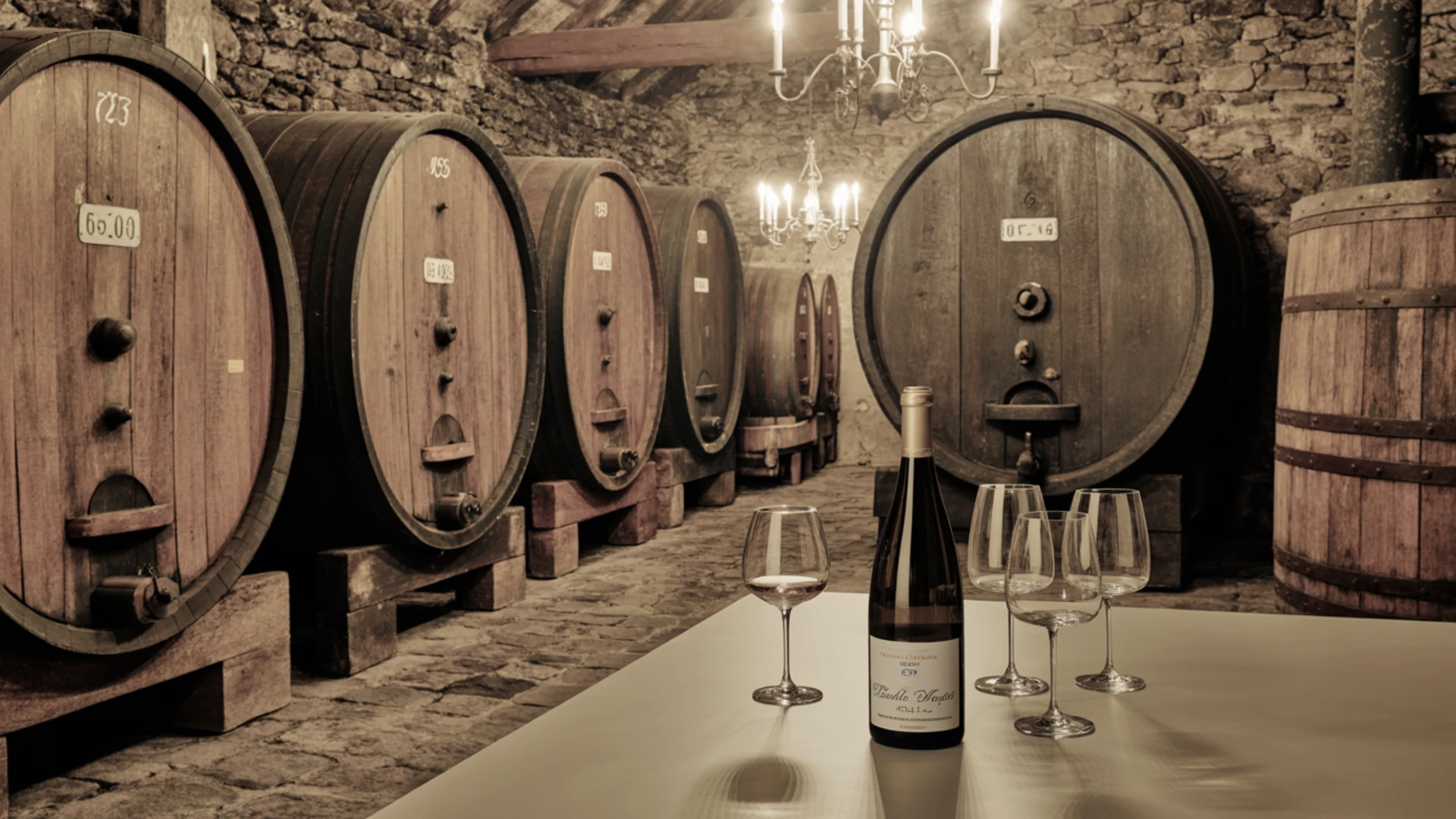
- Cellar access : tasting in the winemaker’s personal cellars, away from the tourist circuit
- Wine-pairing lunch : prepared by a private chef at the estate itself
- Cellar building : bespoke selection of 24 to 120 bottles
- Parcel acquisition : support throughout the full land transaction
The vintages to seek in 2026
- 2022 : a sun-drenched vintage, powerful and immediately seductive
- 2019 : perfect balance, ideal for starting a collection
- 2015 : already at full maturity, with optimal complexity
- 2007 : the legendary vintage, to acquire without delay
- 1989 : for SGN only, one of the century’s greatest vintages
Service protocol: how to elevate a great Gewurztraminer
Serving temperature: 12-14°C. Decant for 30 minutes for vintages over 10 years old. Burgundy stems or Riedel "Alsace" specific glasses. To accompany: semi-cooked Alsace foie gras, 8-week aged Munster, or simply on its own, in contemplation.
FAQ: Everything you need to know about the great Gewurztraminer of Alsace
What budget should you expect for a prestige Gewurztraminer cellar?
For 48 bottles spanning 6 estates and 4 vintages, expect between €3,500 and €12,000. Adopte Une Conciergerie negotiates preferential terms.
Can you visit Alsatian estates without an appointment?
The major houses (Zind-Humbrecht, Trimbach, Weinbach) are strictly by appointment. Our private visits include access to the winemaker’s personal cellars — a privilege reserved for fewer than 50 visitors per year.
Is Gewurztraminer a sound heritage investment?
SGN from great vintages have seen their value rise by 180 to 350% over 15 years. It is a niche investment with exceptional appreciation potential.
What is the difference between Gewurztraminer and Traminer?
Gewurztraminer is an aromatic mutation of Traminer, which appeared in the 16th century, with a pinker skin and a more intense aromatic profile. In Alsace, only Gewurztraminer is permitted as a grand cru.
Which dishes pair best with a Grand Cru Gewurztraminer?
Refined Thai cuisine, blue-veined cheeses (Roquefort, Stilton), exotic fruit desserts. For SGN: on their own, as a liquid dessert, or alongside a cigar.
How long can a VT Gewurztraminer be kept?
A great estate VT will keep for 15 to 30 years. SGN easily exceed 50 years. Store at a constant 12°C, with 70% humidity. Adopte Une Conciergerie can audit your private cellar.
Can Adopte Une Conciergerie organize a private harvest?
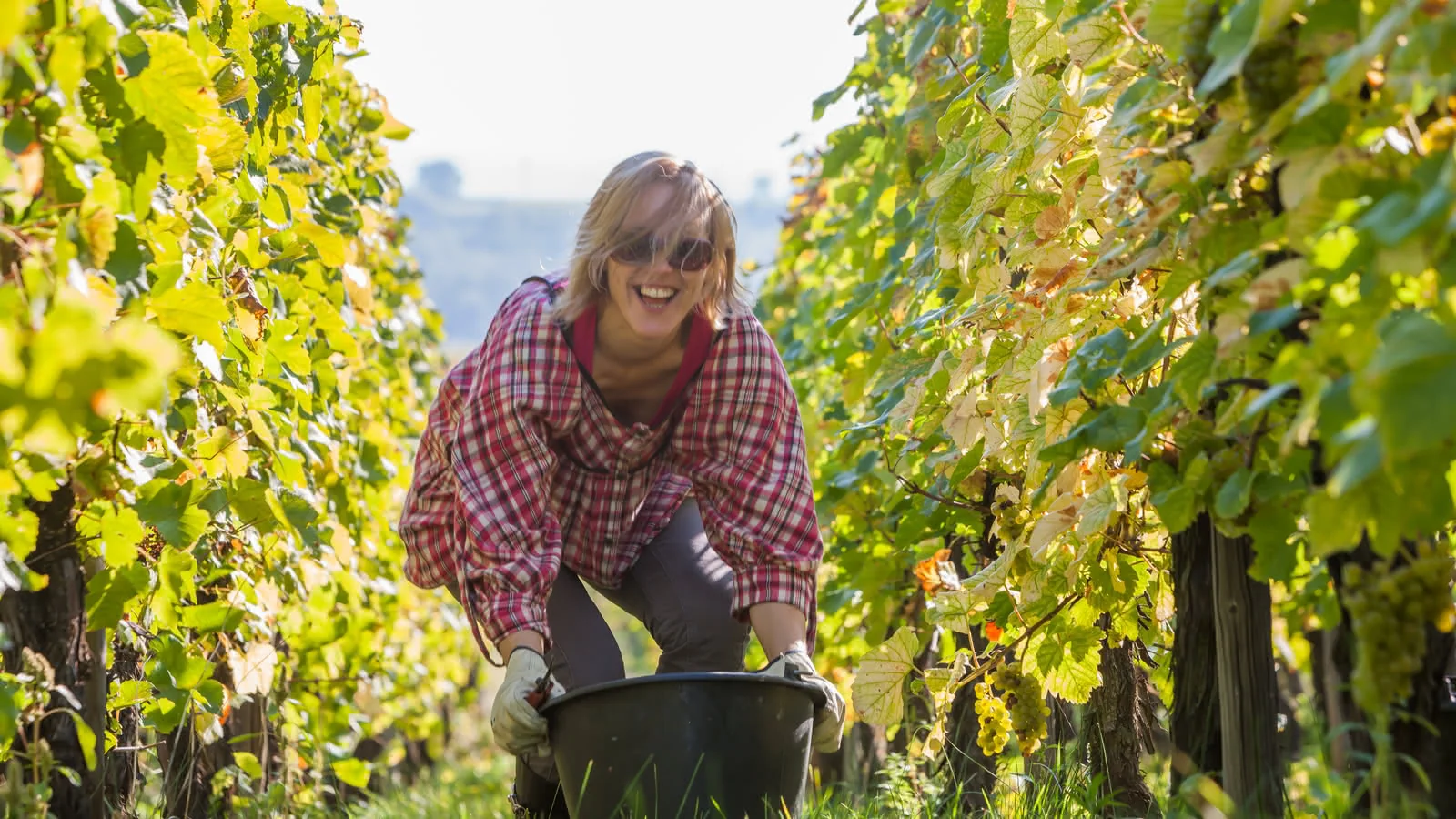
Yes. Every autumn, we organize private harvest experiences with selected winemakers. Participation in the picking, gourmet lunch, vertical tasting. Limited to 6 participants.
Why entrust your wine discovery to Adopte Une Conciergerie?
Our knowledge of the Alsace vineyard is intimate and personal — our founder is herself the daughter of a winemaker. We open doors that neither money nor renown alone can unlock.