Vision · Haute Conciergerie · Human Intelligence · Adopte une Conciergerie · 2026
"Luxury is not decided in what people see.
It is decided in what they feel — long after the moment has passed."
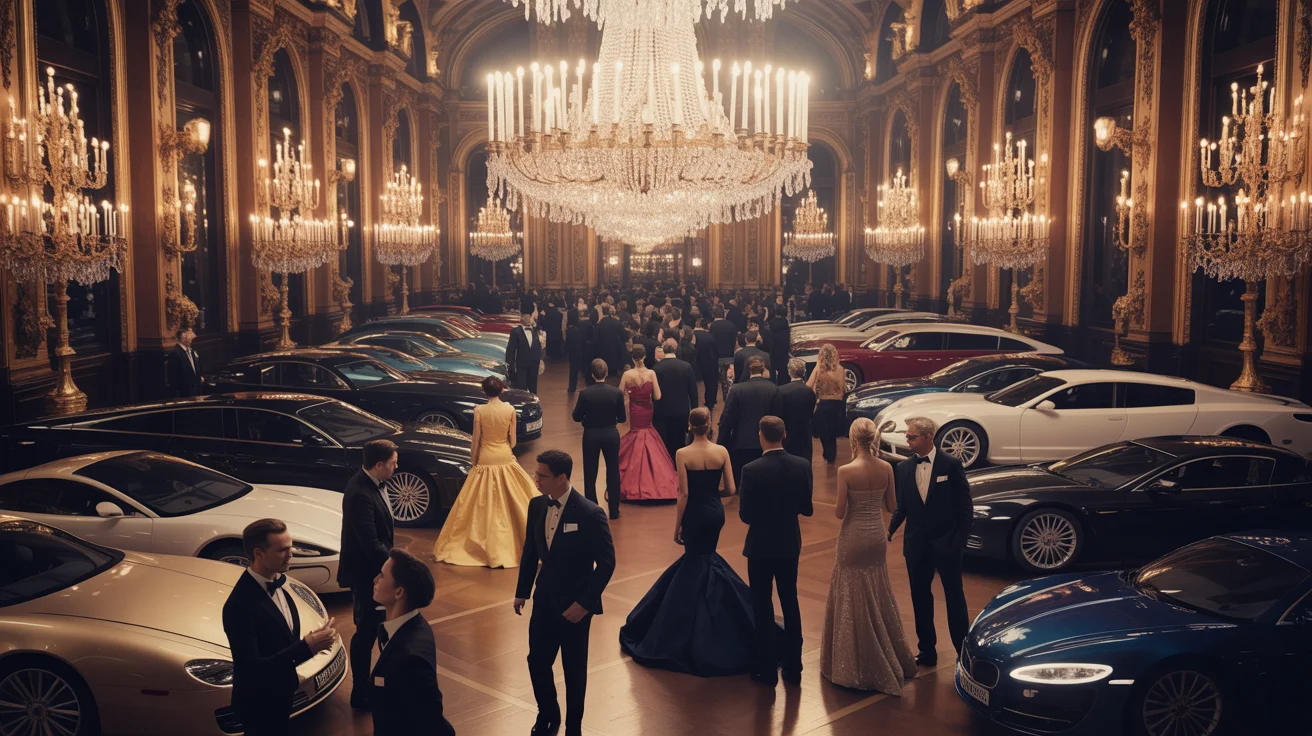
Haute conciergerie is not one more service within a luxury event. It is the layer that determines whether everything created by design, setting and ambition truly reaches the person living it — or remains merely impressive from the outside.
There is a phrase I regularly hear from clients who return to us after a first event or first stay: "I don't know exactly what you did — but it was felt." This phrase, which may seem vague, is in reality one of the most precise compliments a concierge can receive. Because it says something essential about what haute conciergerie is supposed to produce: not a list of visible actions, but a feeling of such perfect fluidity that one no longer distinguishes the service from the moment itself.
This is the most difficult objective in our profession. And the one that most deeply motivates us.
What spectacle cannot do alone
The luxury industry excels at creating moments that capture attention. What has changed profoundly in recent years is not the ambition of the moments created — it is their role within a longer relationship. A luxury event is no longer designed to impress once. It is designed to be the entry point of a relationship. What impresses creates attraction — what follows creates loyalty. And what follows, in the haute conciergerie logic, is what most industry actors have not yet learned to conceive with the same rigour they devote to scenography. The transitions. The interactions. The quality of welcome in the first ten seconds. The way someone perceives that their needs have been understood before they expressed them.
It is in these interstices that the experience is decided. And it is precisely there that Adopte une Conciergerie brings what neither design, budget nor provider lists can substitute: human intelligence in real time.
The invisible layer — what it does and why it cannot be seen
Haute conciergerie, as we practise it, is an intelligence layer that operates inside the environment created by the event, the stay, the programme. It reads behaviours. It anticipates needs. It adjusts in real time — without this adjustment being visible, without the client or guest feeling managed. That is precisely what makes it so difficult to observe from outside and so easy to underestimate in a budget. One sees the scenography. One sees the caterer. One sees the floral arrangements and lighting. One does not see the person who discreetly delayed the move to dinner by five minutes because they identified that two guests whose relationship is complex were in productive conversation that should not be interrupted. One does not see the decision to seat a particular person at a particular table not according to the seating plan established two days before, but according to what occurred in the thirty minutes preceding dinner.
These details seem minor in isolation. Collectively, they create something that "quality service" does not capture: the feeling of being understood. And that feeling is what transforms a memorable event into an experience people still talk about long afterwards.
Managing diverse expectations — the real complexity of contemporary haute conciergerie
In the events we orchestrate in Strasbourg, on the Alsace Wine Route, in the Vosges or within event programmes for Grand Est institutions and companies, we work with groups whose diversity is one of the most fundamental — and most complex — characteristics to manage. Some guests seek visibility. Others seek discretion. Some prefer to be guided. Others expect autonomy and ease. The same room, the same programme, the same evening — and expectations that cannot be satisfied by the same approach. This is the central challenge of contemporary haute conciergerie, requiring the highest level of developed intuition.
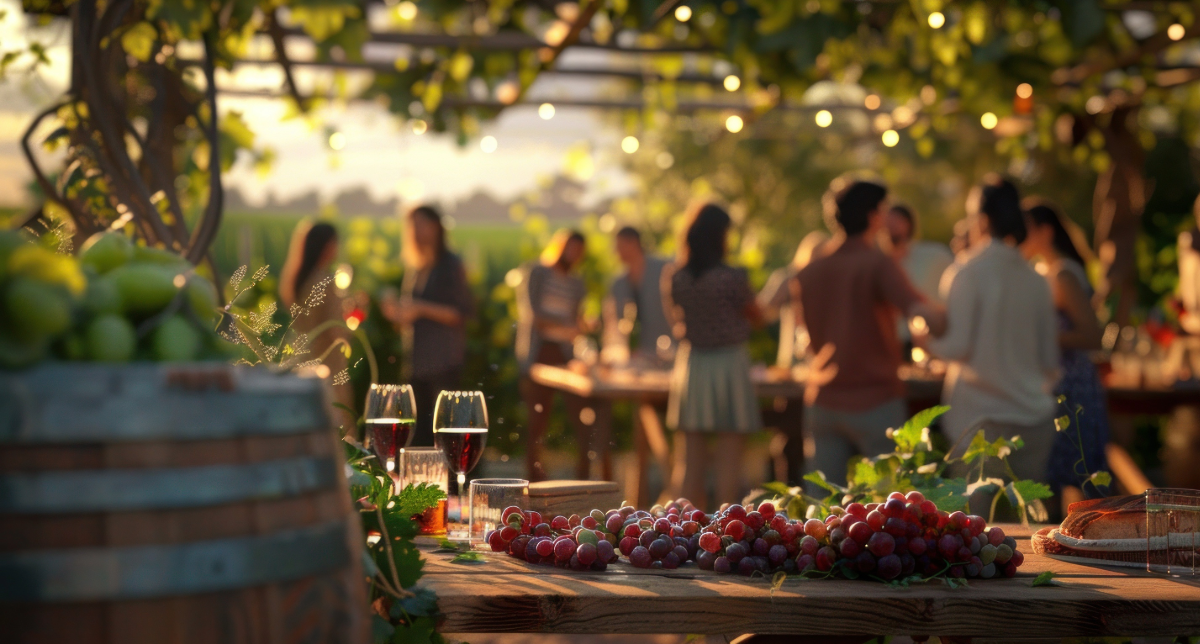
During a harvest dinner organised for an international delegation at the heart of the Alsatian vineyard — with guests from Germany, Switzerland, Paris and Brussels, each with their own personal history with Alsace, with wine, with the other guests — it is this capacity for adaptation that makes the difference between a dinner that goes well and a dinner participants are still talking about three years later.
The intelligence that cannot be scripted
There is a phrase we often use internally, which fairly summarises our philosophy: the perfect service is the one that did not need to be asked for. Not because the need did not exist — but because it was identified and met before it was articulated. This form of anticipation is not magical. It is the result of several combined things: knowledge of the people accumulated over time, real-time reading of behavioural signals, and immediate decision-making capacity — knowing one has the authority to adjust, improvise, go beyond the established protocol when the situation requires, without needing to ask permission.
During a leadership seminar programme in a Wine Route wine domain, we once completely recomposed the order of the morning programme — not because the planned programme was poor, but because the group's energy that morning required something different. The client had not asked us to do it. They did not know we had. What they knew was that the day had worked perfectly. That is the right definition of the result we aim for.