Praha je dnes jednou z evropských metropolí s nejstabilnějším růstem trhu s nemovitostmi za posledních pět let — +89 % za šest let podle OECD, ceny stále o 40 % nižší než v Paříži a strukturální nedostatek bytů, který v krátkodobém horizontu znemožňuje výraznější korekci. Pro investora nebo kupce rezidenční nemovitosti hledajícího poměr kvalita-město-patrimoniální hodnota, který západní Evropa již nemůže nabídnout za tuto cenu, Praha v roce 2026 představuje jedinečný investiční profil. Kompletní analýza trhu, čtvrť po čtvrti, s ověřenými daty České národní banky, Central Group, Skanska a Knight Frank.
Analýza Trhu · Praha · 2026 · Zdroje: ČNB · OECD · Central Group · Knight Frank
Praha 2026 — Nejdynamičtější trh prémiových nemovitostí ve střední Evropě
+89 %
Celkový růst za 6 let (OECD)
-40 %
Levnější než Paříž (byt 70 m²)
6 900 €
Průměrná cena novostavby/m² Praha (Q1 2025)
+10 %
Index cen bytů CZ Q1 2025 (ČNB)
Existují okamžiky v historii evropských realitních trhů, kdy dojde k přelomu. Kdy město přestane být příležitostí, kterou si zasvěcení nechávají pro sebe, a stane se destinací, kterou si seriózní investoři zařadí do středu své strategie. Praha tento přelom prošla před několika lety. Pozoruhodné je, že v roce 2026 — navzdory 89% nárůstu za šest let podle OECD — trh stále vykazuje charakteristiky trhu ve fázi strukturálního růstu, nikoliv vyčerpaného trhu.
Česká národní banka (ČNB) potvrdila ve své Zprávě o finanční stabilitě Jaro 2025, že index cen rezidenčních nemovitostí vzrostl o 10 % meziročně v Q1 2025 — novostavby o 13 %, starší byty o 9,3 %. Realindex Deloitte zaznamenává průměrnou cenu prodaných bytů v Praze dosahující 175 000 Kč/m² (přibližně 6 900 €), s ročním růstem 15 % v novostavbách. Ceny nejenže vyrovnaly korekci z roku 2023, ale překonaly historická maxima z roku 2022.
Geografie trhu: čtvrť po čtvrti
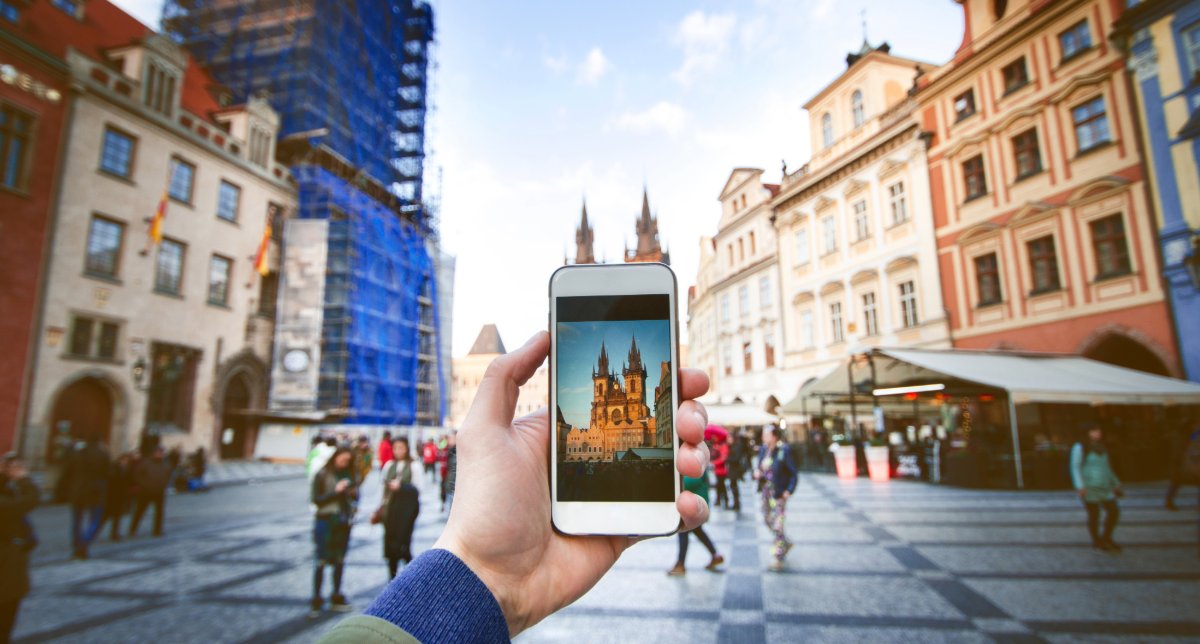
Praha 1 — Staré Město, Malá Strana. Historické jádro zapsané na seznam UNESCO. Stávající zástavba 6 800 až 7 800 €/m², novostavby nad 9 000 €/m². Hrubý nájemní výnos skromný — 2 až 2,5 % — ale maximální likvidita a žádanost. Je to čtvrť prémiové rezidence, nikoliv nájemní investice.
Praha 2 — Vinohrady. Bohémská čtvrť par excellence — secesní budovy, kavárny, expati a mladí profesionálové. Stávající zástavba 4 600 až 5 500 €/m², novostavby až 7 500 €/m². Výnos 2,5 až 3,2 %. Nejrovnoměrnější pražský trh mezi žádaností, likviditou a výnosem.
Praha 8 — Karlín. Čtvrť, která v posledních pěti letech nejvíce překvapila pozorovatele. Bývalé průmyslové areály přeměněné na galerie, technologické firmy, přepracované budovy. Roční růst cen 12 až 18 % podle Investropa (data ČNB a Svoboda & Williams, 2025-2026). Aktuální cena: 4 000 až 4 800 €/m² stávající zástavba. Výnos 3 až 3,6 %.
Praha 7 — Holešovice. Podobný gentrifikační profil jako Karlín, mírně opožděný v cyklu. Ceny stále o 15 až 20 % nižší než ve Vinohrady, se srovnatelnou dynamikou. Silně doporučeno pro střednědobou strategii zhodnocení.
Pro kompletní doprovod — od vyhledávání nemovitosti po správu na dálku přes právní a daňovou koordinaci — je Adopte une Conciergerie jediným kontaktem pro klienty ze Štrasburku, Paříže nebo zahraničí, kteří chtějí investovat na tomto trhu bez bariéry vzdálenosti a jazyka.
Osm otázek o investicích do nemovitostí v Praze a podpoře Adopte une Conciergerie
Proč Praha v roce 2026 nabízí lepší profil investice do nemovitostí než Paříž nebo Vídeň pro zahraničního kupce?
Čtyři konvergující faktory. Za prvé, poměr cena/kvalita města: Praha se umísťuje v top 10 nejlepších evropských měst pro kvalitu života, ale ceny nemovitostí zůstávají o 40 až 50 % nižší než v Paříži a o 30 % nižší než ve Vídni. Za druhé, strukturální růst: +89 % za šest let (OECD), +10 % v roce 2025 (ČNB), s dokumentovaným nedostatkem bytů, který trvale podporuje ceny. Za třetí, daňové podmínky: žádný český IFI, náklady na pořízení 1 až 4 % oproti 7 až 8 % ve Francii, zdanění nájemních příjmů 15% paušálně. Za čtvrté, potenciál kapitálového zhodnocení: v základním scénáři institucí (ČNB, Cushman & Wakefield) nemovitost koupená dnes získá mezi 40 % a 61 % hodnoty do roku 2030 podle čtvrtí.
Které čtvrti Prahy nabízejí nejlepší potenciál v roce 2026 pro patrimoniálního investora?
Nejnovější tržní data (Investropa, ČNB, Svoboda & Williams, 2025-2026) identifikují tři prioritní zóny. Karlín (Praha 8): pokročilá gentrifikace, technologický sektor, roční zhodnocení 12 až 18 %, stále dostupné ceny (4 000 až 4 800 €/m² stávající zástavba). Holešovice (Praha 7): podobný profil jako Karlín, mírně dříve v cyklu — optimální okno pro nákup je nyní nebo v průběhu příštích 18 měsíců. Smíchov (Praha 5): projekt Smíchov City — 22 ha na březích Vltavy, dodávky 2026-2030, přímé metro.
Může francouzský státní příslušník volně nakupovat v Praze a jaký je postup?
Ano, bez omezení. Občané EU mohou nabývat rezidenční nemovitosti v České republice za stejných podmínek jako čeští státní příslušníci, od zrušení omezení v roce 2009. Postup je jednodušší než ve Francii: vyhledávání nemovitosti, nabídka, předběžná smlouva se zálohou 10 až 30 %, kupní smlouva, zápis do katastru nemovitostí. Celková délka: 3 až 4 měsíce. České banky financují až 80 až 90 % ceny pro investory z EU. Hypoteční sazby jsou kolem 4 až 5 % v roce 2025, klesající ze svého vrcholu 5,37 % v září 2023. Celkové pořizovací náklady — notář, katastr, agentura — představují 1 až 4 % ceny.
Jaký daňový rámec se vztahuje na francouzského investora s nájemní nemovitostí v Praze?
Bilaterální daňová smlouva Francie-Česká republika stanoví, že nájemní příjmy z nemovitosti v České republice jsou zdanitelné v České republice. Platná sazba pro fyzické osoby je 15 % paušálně — daleko pod francouzskou mezní sazbou, která může dosáhnout 45 % daně z příjmů + 17,2 % sociálních odvodů. Daňový poplatník je nadále povinen tyto příjmy přiznat ve Francii, ale je mu přiznán daňový kredit rovnající se dani zaplacené v České republice, čímž se zamezí skutečnému dvojímu zdanění. V České republice neexistuje obdoba francouzské daně z majetku (IFI) — ale francouzský daňový rezident nadále podléhá IFI z zahraničních nemovitostí, pokud jeho celkové čisté jmění přesahuje 1,3 milionu eur.
Jaká specifická rizika je třeba sledovat před investicí v Praze?
Pět zásadních upozornění. Kurzové riziko EUR/CZK: česká koruna není euro a Česká republika se nehodlá v krátkodobém horizontu připojit k eurozóně — kurzové výkyvy mohou ovlivnit výnosy vyjádřené v eurech. Čistý nájemní výnos v centru města zůstává skromný (1 až 2,5 % čistého): Praha je patrimoniální trh, nikoliv trh čistého výnosu. Regulace krátkodobých pronájmů se zpřísňuje: Česká republika vyvíjí systém povinné registrace ("e-Turista"), jehož plné spuštění se očekává v roce 2026. Správa na dálku vyžaduje spolehlivého místního partnera. A jazyková bariéra: čeština je složitý jazyk, právní dokumenty jsou v češtině.
Jak Adopte une Conciergerie doprovází klienta, který chce nemovitost v Praze?
Naše podpora pokrývá celý cyklus akvizice a správy. Předem: analýza investorského profilu, definice kritérií, výběr čtvrtí odpovídajících strategii. Vyhledávání a výběr: identifikace nemovitostí na veřejném i mimo veřejný trh, v koordinaci s našimi pražskými místními partnery (specializované agentury, právníci, notáři, správci). Kompletní due diligence: ověření titulu vlastnictví, katastrální situace, soulad s urbanistickými předpisy, skutečný stav nemovitosti, nájemní ocenění. Právní a daňová koordinace. Správa po akvizici: správa pronájmu na dálku, koordinace renovací, pronájem, reporting. Jsme jediným kontaktním bodem od Štrasburku nebo Paříže až po klíč na ruku v Praze.
Jaký je rozdíl mezi koupí rezidenční nemovitosti v Praze a čistou nájemní investicí?
Obě strategie sledují odlišné logiky. Prémiová sekundární rezidence — typicky byt 70 až 150 m² v Praze 1, 2 nebo 6 — je kupována pro osobní pobyt, patrimoniální zhodnocení a možnost pronájmu během nepřítomnosti majitele. Čistá nájemní investice — v Praze 3, 7, 8, 9 nebo 10 — upřednostňuje výnos (3 až 4,5 % hrubého) a střednědobé zhodnocení. Praha je méně než dvě hodiny letadlem z Paříže a méně než pět hodin autem od Štrasburku. Je to prvoligové kulturní hlavní město s gastronomií, hudební scénou a architektonickým dědictvím, které činí osobní využití stejně cenným jako finanční výnos.
Proč se obrátit na Adopte une Conciergerie pro investici v Praze spíše než přímo na českou agenturu?
Tři zásadní důvody. Jazyk a právní rámec: česká agentura pracuje v češtině, prezentuje smlouvy v češtině a přirozeně hájí zájmy místního trhu. Adopte une Conciergerie pracuje ve francouzštině, vysvětluje každý krok ve vašem jazyce a zastupuje výhradně vaše zájmy jako kupujícího. Celostní pohled: díváme se nejen na samotnou nemovitost, ale na její začlenění do vaší kompletní patrimoniální strategie — včetně dopadu na francouzský IFI, bilaterální daňovou smlouvu, vhodnost akvizičního rámce (přímý nákup nebo prostřednictvím společnosti). Správa po akvizici: česká agentura prodá nemovitost a jde dál. Adopte une Conciergerie spravuje vaši nemovitost dlouhodobě — to je náš model, nikoliv doplňková služba.
Praha viděná z Paříže nebo Štrasburku již není trhem druhé šance. Je to trh osvíceného rozhodnutí — toho, které přijímají investoři, kteří pochopili, že patrimoniální zhodnocení nečeká na jistotu.
První Soukromá Luxusní Concierge Grand-Est · Mezinárodní Poradenství Akvizice · Praha · Česká republika
Adopte une Conciergerie — Akvizice, Správa Pronájmů & Pobyt Klíč na Ruku · Praha 2026
Zdroje: Česká národní banka (ČNB) · Český statistický úřad · OECD · Eurostat · Deloitte Real Index · Central Group / Trigema / Skanska · Knight Frank Praha · Cushman & Wakefield CZ 2026 · Investropa · Global Property Guide