Analysis · Ultra-Luxury Real Estate · UHNWI · 2026 · Sources: Barnes · Knight Frank · Bilan.ch
Private islands, rare assets and new refuges — How the ultra-wealthy are reinventing their relationship with property in 2026
510,000
UHNWI worldwide in 2025 (Barnes)
+5.2%
Growth in UHNWI numbers in 2024 (Knight Frank)
72%
Of UHNWI are entrepreneurs (Barnes 2026)
34%
Plan to acquire outside their home country (Knight Frank)
There is a moment in every major period of instability when the largest fortunes no longer seek to grow — they seek to resist. That moment has been with us since 2022. Wars, global supply chain reorganisation, trade tensions between major powers, fiscal instability in several Western countries, and above all: the hypervisibility of large fortunes in the social media era, which has made discretion not merely desirable but necessary.
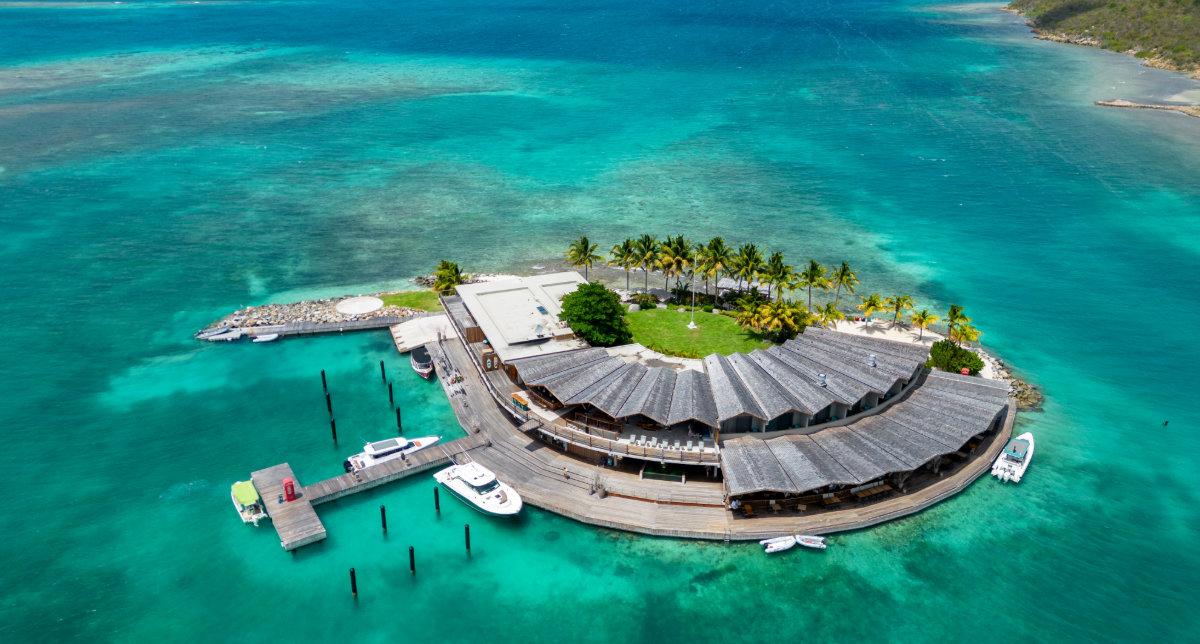
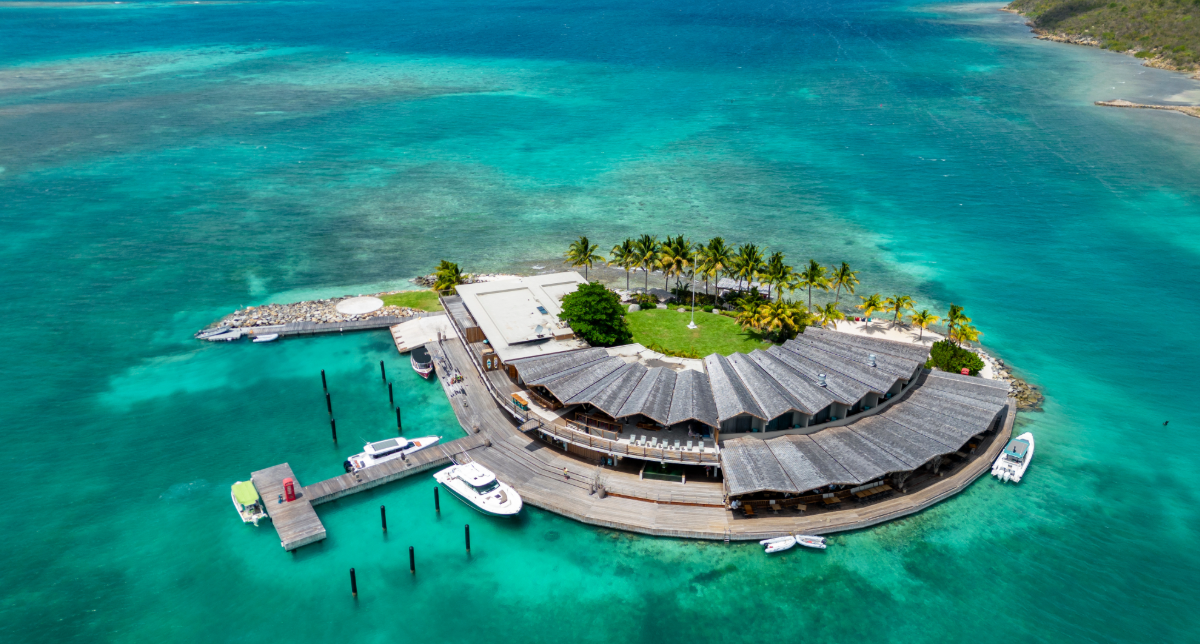
The trend that best embodies this recomposition is spectacular in its form but deeply logical in its nature: the acquisition of private islands by UHNWI. From west coast American tech billionaires to Gulf family offices to European entrepreneurs seeking sovereign frameworks, the private island market saw unprecedented demand in 2025. But this phenomenon, however publicised, is merely the visible tip of a much deeper transformation in how patrimonial capital is positioning itself in 2026.
The private island phenomenon — beyond the fantasy
Buying a private island is not an eccentricity. It is a patrimonial, security and fiscal strategy. Analysis of actual buyer motivations in 2025 reveals three converging dimensions.
The first is confidentiality as a strategic asset. In a world where digital surveillance is structural, every movement traceable, and online presence imposed by algorithms, physical separation guarantees a level of personal space control that no urban property can offer — however high the security, however restricted the access. A private island, accessible only by sea or air on transport modes its owner controls, is a confidentiality infrastructure as much as a residence.
The second is infrastructural autonomy. The most forward-thinking UHNWI understood, before others, that dependence on public networks is a risk. Private islands acquired since 2022 are equipped with solar and wind systems, desalination plants, vertical farms, independent satellite telecommunications. They are designed to function without the global supply chain — precisely in the scenarios where that chain breaks.
The third is absolute rarity as a safe haven. A private island cannot be reproduced. It cannot be built elsewhere. Its value rests on the very impossibility of its substitution — the same logic that sustains Burgundy Grand Crus, Venetian palazzi or the half-timbered houses of Alsace's classified vineyards. In a world where infinite reproduction devalues everything that can be reproduced, the irreplaceable becomes the ultimate asset.
What this says about the luxury real estate market more broadly
The private island phenomenon is the most extreme expression of a trend running through the entire ultra-luxury property market in 2026. UHNWI — whose numbers reached 510,000 worldwide in 2025, up from 77,000 in 2005 according to Barnes — have profoundly shifted their acquisition criteria. Rental yield is no longer the primary criterion. Rarity, location quality, discretion and long-term safe haven value are now the four pillars of any patrimonial acquisition decision at this level.
The UHNWI selection criteria in 2026, according to the Barnes ranking, revolve around three dimensions: quality of life, security and taxation. The cities that are gaining ground in their preferences are those that combine a superior overall experience — infrastructure, culture, high-level services, stability — not just financial capitals.
The missing link: Central Europe and the French Grand-Est
There is an angle that Parisian analysts generally omit from their reports on UHNWI preferences: the prestige French countryside. Not Paris — Paris is on every map, in every report, in every UHNWI strategy. But the France of exceptional wine estates, character properties in Alsace, Lorraine châteaux, half-timbered houses on the Wine Route — this France is structurally under-explored by foreign investors, precisely because it is only accessible through local trust networks.
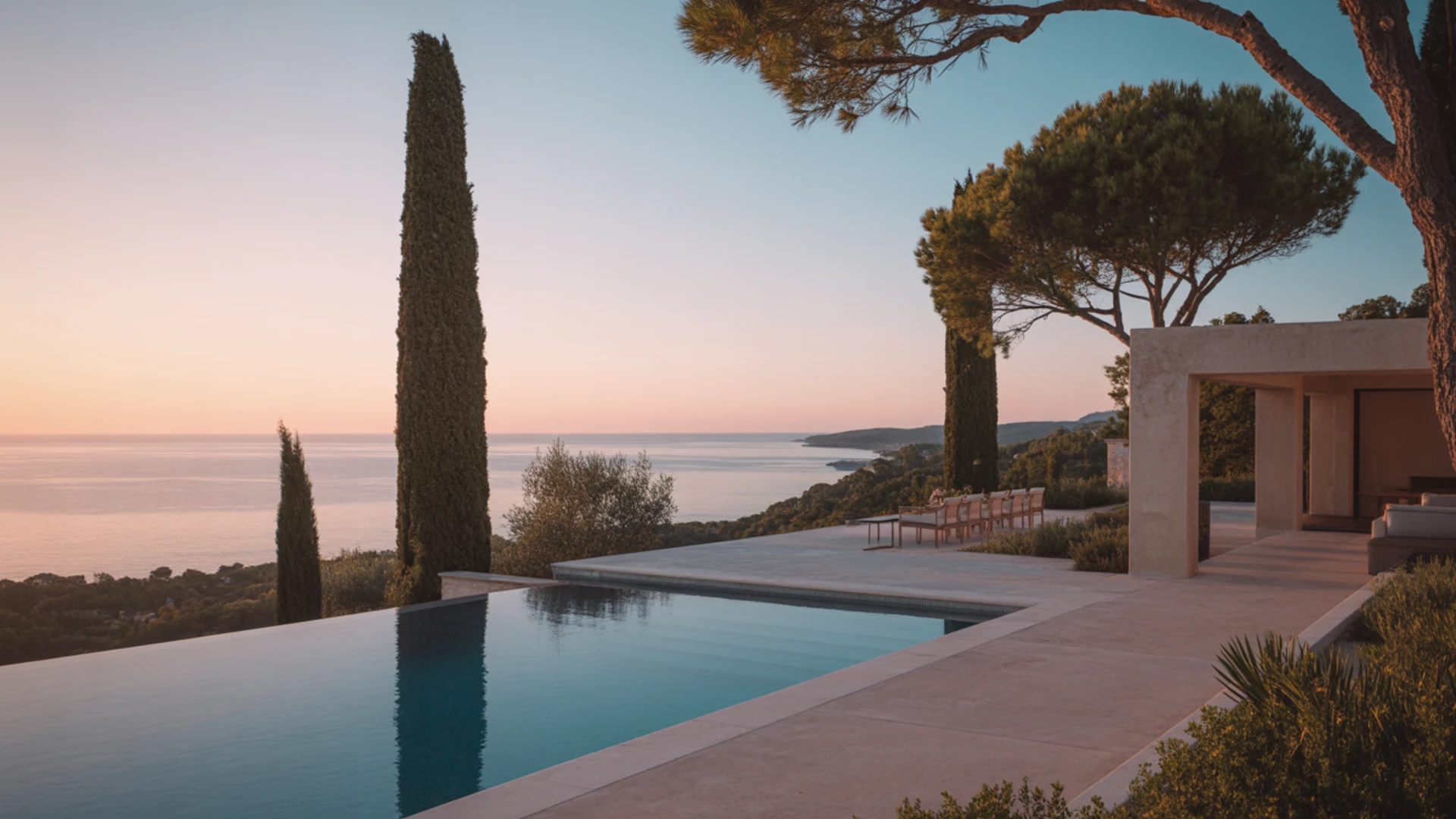
Grand-Est presents exactly the characteristics that sophisticated patrimonial investors seek in 2026: irreplaceable properties in their architecture and terroir, prices still competitive compared to comparable markets (Burgundy, Provence, Tuscany), a unique geographic position at the crossroads of five major economies, and structural discretion — Grand-Est is not a mass tourism destination, it is a connoisseurs' destination.
For a UHNWI European investor seeking to anchor part of their patrimony in an exceptional French asset — a domain with classified Alsatian Grand Cru, a property with Vosges views, a Lorraine manor house — the question is not whether such properties exist. They do. The question is how to access them in a market where 80% of prestige transactions occur off-market, where sellers are not looking for buyers in national agency catalogues, and where territorial knowledge is the only key that opens the right doors.
This is precisely the key that Adopte une Conciergerie holds. As the first private luxury concierge of Grand-Est, we are the natural entry point for any investor — French or foreign — seeking to position a patrimonial acquisition in the region.