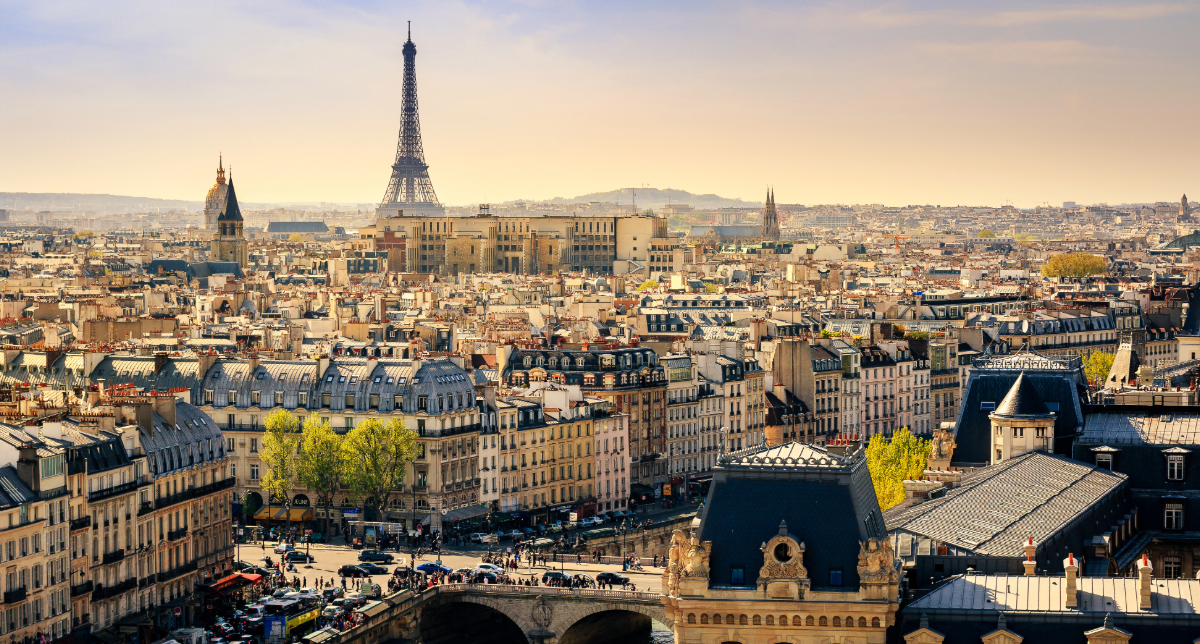
Existují realitní trhy, které sledujeme jako teploměr. A pak je tu 7. obvod Paříže — trh, který se čte jako barometr z jiné éry. V roce 2025, zatímco zbytek hlavního města hledal rovnováhu po dvou letech korekce, 7. obvod vykázal nárůst objemu transakcí o více než 50 %. Tažen masivním návratem americké a blízkovýchodní klientely, tento nárůst říká něco podstatného o této čtvrti: neřídí se stejnými cykly. Má svá vlastní pravidla, svou vlastní gravitaci.
Zaměření na Trh · Paříž 7. obvod · 2026 · Ověřená Data
+50 %
Nárůst objemu transakcí v 7. obvodu (Engel & Völkers / Breteuil 2025)
30 000 €
Cena za m² pro nemovitosti s výhledem na Champ-de-Mars
40 %
Transakcí v 7. obvodu uzavřeno off-market (Engel & Völkers)
+45 %
Zahraničních kupujících v 7. obvodu (Vaneau 2025)
Existují adresy, které si nevybíráme výpočtem. Vybíráme je, protože se prosazují samy. Rue de Grenelle. Boulevard des Invalides. Quai Branly. Avenue de la Bourdonnais. Tato jména nepotřebují vysvětlení americké klientce přijíždějící z New Yorku, ani investorovi z Perského zálivu hledajícímu ukotvení části svého majetku v Evropě. Jsou okamžitě rozpoznána — a právě toto okamžité rozpoznání leží v srdci dynamiky 7. obvodu v roce 2026.
Dva roky, od roku 2022 do roku 2024, procházel pařížský realitní trh těžkou korekcí — pokles cen přibližně o 11 %, výrazná kontrakce objemů, všeobecná vyčkávací pozice kupujících. Tato korekce zasáhla většinu pařížských obvodů. 7. obvod korigoval méně než ostatní a odrážel se jako první.
Co říká číslo +50 %
Nárůst objemu transakcí o 50 % není obyčejný nárůst. Na tak úzkém a selektivním trhu jako je 7. obvod — kde se transakce počítají v desítkách, ne ve stovkách — toto číslo odráží současný návrat několika kategorií kupujících, kteří se z různých důvodů rozhodli repositionovat ve stejný moment. Americká klientela první — návrat Donalda Trumpa do prezidentského úřadu v roce 2025 vyvolal u části amerických vyšších vrstev pohyb patrimoniálního zajištění do Evropy. Quasi-parita dolaru a eura jim poskytla o 10 až 15 % vyšší kupní sílu oproti předchozím letům. V 7. obvodu Američané hledají haussmannské rodinné byty nebo prestižní pied-à-terre s výhledem na Invalidovnu, Eiffelovu věž nebo Seinu. Blízkovýchodní klientela druhá — geopolitická napětí od roku 2023 urychlila přesuny kapitálu z velkých majetků do evropských aktiv vnímaných jako stabilní.
Co 7. obvod skutečně prodává
Bylo by příliš jednoduché redukovat atraktivitu 7. obvodu na jeho monumenty. Nekupuje se Eiffelova věž — kupuje se byt, ze kterého je vidět. A tento rozdíl mění vše. Byt v posledním patře s terasou a volným výhledem na Champ-de-Mars není pařížský byt. Je to dílo. Nenahraditelné. Jehož hodnota závisí na nemožnosti jeho náhrady. Tyto nemovitosti dosahují v roce 2025 cen blízkých 30 000 €/m² — úroveň, která vzdoruje cyklům.
Pro kupujícího přijíždějícího ze zahraničí — amerického, emirátského, saúdského, libanonského, britského — přístup k tomuto off-market trhu nutně prochází důvěryhodným prostředníkem zakotveným v místních sítích. Přesně to dělá Adopte une Conciergerie.
8 klíčových otázek o luxusních nemovitostech v 7. obvodu
1. Proč je 7. obvod Paříže považován za nejodolnější luxusní realitní trh ve Francii?
7. obvod kombinuje faktory odolnosti, které neexistují nikde jinde současně. Strukturálně omezená nabídka: Haussmannova zastavěná struktura je zmrazena, nová výstavba je téměř nulová. Trvalá mezinárodní poptávka: američtí, blízkovýchodní, jihovýchodoasijští a severoevropští kupující si vybrali 7. obvod jako svou první volbu v Paříži po desetiletí. Přítomnost jedinečných, nenahraditelných nemovitostí s přímým výhledem na Eiffelovu věž, Invalidovnu nebo Seinu, jejichž hodnota závisí na nemožnosti náhrady.
2. Jaké jsou skutečné cenové rozsahy v 7. obvodu v roce 2026?
Standardní trh — haussmannské byty bez zvláštního výhledu — 14 000 až 15 000 €/m². Prémiový trh — vyšší patra, krásné budovy, původní parkety, dobové krby, dvojité obývací pokoje — 15 000 až 20 000 €/m². Ultra-luxus — terasy, byty v posledním patře s volným výhledem na Champ-de-Mars nebo Eiffelovu věž, prostory nad 300 m² — pravidelně přesahující 25 000 až 30 000 €/m².
3. Kdo jsou kupující v 7. obvodu a jaký je podíl zahraničních kupujících?
Podíl zahraničních kupujících v 7. obvodu je jedním z nejvyšších v Paříži. Podle dat Vaneau (2025) více než 45 % akvizicí v 7. obvodu zahrnuje zahraničního kupujícího — oproti 28 % průměru za celou Paříž. Tito kupující jsou převážně Američané, blízkovýchodní (GCC, Libanon) a asijští (Čína, Japonsko, Korea).
4. Co je off-market v 7. obvodu a jak k těmto nemovitostem získat přístup?
V 7. obvodu tvoří off-market přibližně 40 % transakcí podle Engel & Völkers. Tyto nemovitosti nikdy neobjevují na listingových platformách. Pro zahraničního kupujícího přístup k tomuto trhu nutně prochází důvěryhodným zprostředkovatelem zakotveným v místních sítích — specializovanými notáři, patrimoniálními právníky, pařížskými family offices a soukromými concierge službami jako Adopte une Conciergerie.
5. Jak Adopte une Conciergerie doprovází mezinárodního kupujícího na trhu 7. obvodu?
Naše podpora je strukturována kolem čtyř pilířů. Kvalifikace projektu: vždy začínáme hloubkovým rozhovorem o patrimoniálních cílech kupujícího. Přístup na trh: mobilizujeme naši pařížskou síť k identifikaci odpovídajících nemovitostí, včetně off-market. Due diligence: koordinujeme právní, daňovou a architektonickou analýzu před jakoukoliv nabídkou. Podpora po akvizici: správa nemovitosti, koordinace renovací, eventové pronájmy, průběžná údržba.
6. Proč měl návrat americké klientely tak silný dopad na 7. obvod v roce 2025?
Dva simultánní faktory. Měnový faktor: quasi-parita dolaru a eura dala americkým kupujícím o 10 až 15 % vyšší kupní sílu oproti předchozím letům. Psychologický a politický faktor: návrat Donalda Trumpa do prezidentského úřadu vyvolal u části amerických vyšších vrstev pohyb patrimoniálního zajištění do Evropy. Paříž — stabilní, bezpečná, kulturně nenahraditelná — se prosadila jako přirozená destinace tohoto pohybu.
7. Je trh 7. obvodu citlivý na výkyvy úrokových sazeb?
Mnohem méně než zbytek pařížského trhu. V 7. obvodu se většina transakcí v segmentu nad 5 miliony eur realizuje bez využití úvěru — hotovostní platba nebo mezinárodní patrimoniální struktury. Podle Breteuil v pařížském high-endu nad 5 miliony eur tvoří mezinárodní klientela 80 % kupujících — a tato klientela nezávisí na francouzských sazbách.
8. Má vlastník, který chce prodat v 7. obvodu v roce 2026, využít veřejný trh nebo off-market?
Odpověď závisí na profilu nemovitosti. Pro výjimečnou nemovitost — výhled na monument, poslední patro, plocha nad 200 m², prvoranková adresa — je off-market téměř vždy nejlepší strategií. Tyto nemovitosti mají přirozenou klientelu, která nepoužívá Seloger. Jejich veřejné vystavení hrozí stigmatizací bez přinášení dalších kupujících. Pro standardnější nemovitost v obvodu zůstává veřejná nabídka u prvních specializovaných agentur efektivní. V každém případě je rozhodující positioning ceny: v 7. obvodu se nadhodnocené nemovitosti rychle stigmatizují a kupující — velmi dobře informovaní — okamžitě vnímají rozdíl mezi nabízenou cenou a skutečnou hodnotou. Nezávislé poradenství k cenovému positioningu před jakýmkoliv výprodejem je první službou, kterou Adopte une Conciergerie nabízí prodávajícím.
7. obvod není trh, který se sleduje. Je to trh, který se chápe — nebo ne. A ti, kdo mu rozumí, vědí, že nekorriguje. Dělá pauzy. Pak pokračuje tam, kde skončil, o něco výše, se stejnými kupujícími a stejnými adresami, které nikdy nepotřebovaly obhajobu.
Poradenství Luxusní Nemovitosti Paříž · 7. Obvod · Off-Market · adopteuneconciergerie.fr
Zdroje: Engel & Völkers France (Market Report leden 2026) · Breteuil Immobilier (Bilan 2025) · Vaneau (Bilan 2025) · BARNES (Q1 2025-2026) · Monimmeuble.com · Foncière Euris (2026) · Club Patrimoine (2026)